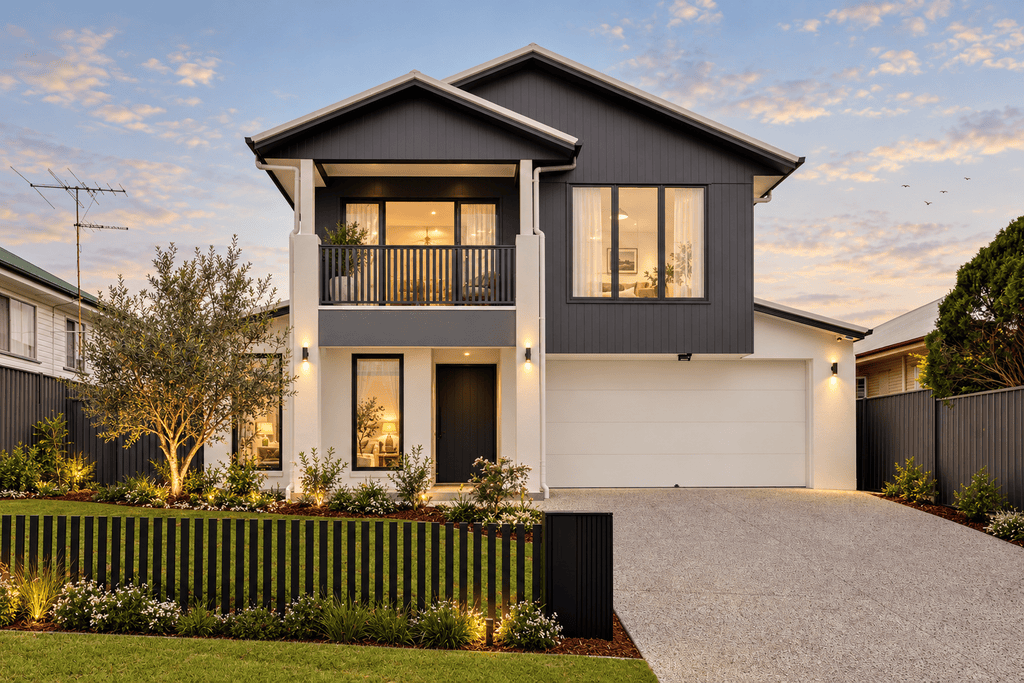
Understanding the cost of building a custom home in Brisbane involves more than estimating the construction price. Your overall budget may include design, site preparation, engineering, approvals, materials, finishes and external works, depending on the property and building agreement.
The final price depends on your home’s size, design complexity, site conditions and chosen specifications. Understanding these factors early can help you assess your options and establish a realistic budget before committing to a design.
Working with an experienced new home builder in Brisbane can help you understand how these factors affect your project and what information is needed to estimate the cost.
How Much Does a Custom Home Cost in Brisbane?
The cost of building a custom home depends on the home’s size, design, site requirements, materials and agreed inclusions. For initial budgeting, an indicative construction cost range of $2,500 to $4,500+ per square metre provides a starting point for discussion. The actual price may fall outside this range depending on the project’s requirements, so it should not be treated as a fixed quote.
This range relates to construction costs rather than the total cost of completing a property. Land, site preparation, design and documentation, approvals, landscaping and other external works may add to the overall budget, depending on the project and building agreement.
Before using an indicative rate to plan your budget, confirm which construction works and inclusions it covers. The floor area used for the calculation, level of finish and treatment of site-related costs can all affect how useful a per-square-metre comparison is.
A more reliable estimate requires details about the proposed design, property and construction specifications. Discussing these requirements with Fiteni can help establish the information needed to assess the likely cost of your home.
What Makes Up the Cost of Building a Custom Home?
The construction cost reflects the work, materials and specifications required to deliver the agreed design. This may include foundations, structural framing, roofing, windows, doors, plumbing, electrical systems, internal linings, cabinetry and finishes.
Design and documentation requirements can also influence the project. A straightforward layout may involve different planning and construction requirements from a home with complex structural features, multiple levels or specialised glazing.
Material selections and fixtures affect the specification as well. When comparing quotes, check that the proposed products, finishes and scope of work are comparable. Differences in inclusions can explain why two quotes for apparently similar homes have different prices.
The building contract should clearly identify the work covered by the price. Understanding the agreed scope helps distinguish construction costs from other expenses associated with completing the property.
How Home Size and Design Complexity Affect Costs
The size of a home influences the amount of materials and labour required, but floor area alone does not determine the final cost. The layout, number of bathrooms, kitchen specifications and other service-intensive areas can all affect the work involved.
Design features such as multiple storeys, complex rooflines, large structural spans and extensive glazing may require additional planning, engineering or construction work. Their cost implications depend on the specific design and how it will be built.
A practical starting point is to identify how your household intends to use the home. Bedroom arrangements, storage, living areas and connections to outdoor spaces should reflect everyday needs rather than simply increasing the floor area.
Fiteni’s home design approach allows homeowners to consider individual requirements, block aspect and available space when planning a design. Reviewing these factors early helps establish a brief that can guide further design and budgeting discussions.
How Site Conditions Affect Custom Home Building Costs
The characteristics of the land can influence the design, preparation work and construction methods required. Slope, soil conditions, drainage, access and existing structures may all affect what needs to happen before and during construction.
A sloping block, for example, may require excavation, retaining structures or adjustments to the design. Soil conditions can influence foundation requirements, while restricted access may affect the movement of equipment and materials.
Service connections and drainage requirements can create further considerations. These should be assessed in relation to the individual property rather than estimated using assumptions that may not apply to the site.
Before confirming a building budget, clarify which site investigations and preparation works are required. Ask the builder what is included in the proposed price and how additional work would be assessed if actual site conditions differ from initial expectations.
Inclusions can vary between projects, so it is important to confirm the scope of work for your specific home.
How Materials and Finishes Influence Your Budget
Material and finish selections affect the home’s appearance, functionality, maintenance requirements and construction specification. Flooring, cabinetry, benchtops, tapware, appliances, lighting and windows are among the choices that may influence the overall budget.
The right selection depends on the intended use of the space, design requirements and homeowner preferences. A premium finish may suit a particular design goal, but it should be assessed against its practical benefits and the available budget.
Comparisons between building quotes should use equivalent specifications wherever possible. A lower price may reflect different product selections or a narrower set of inclusions rather than a direct saving on an otherwise identical home.
Fiteni’s custom home approach allows homeowners to consider design preferences and selections as part of planning their home. The specific products and inclusions available should be confirmed with the team.
Before finalising selections, identify which features are essential and which are optional. If a proposed change affects the agreed specification, clarify its cost and any implications before proceeding.
What Costs May Not Be Included in Your Building Quote?
A building quote should explain the work, products and services covered by the proposed price. Depending on the project and agreement, potential additional expenses may include some site works, retaining structures, landscaping, fencing, driveways, service connections, professional fees and approval-related costs.
These items should not automatically be treated as exclusions. Their inclusion depends on the specific quote, site requirements and contract. Reviewing the documentation is the most reliable way to establish which costs are covered.
Pay particular attention to provisional allowances and items whose final requirements have not yet been confirmed. Ask how these amounts have been determined, what they cover and how any difference between the allowance and final cost will be handled.
It is also important to distinguish the building contract from the wider cost of completing the property. Landscaping or external works, for example, may be covered under a particular package or arranged separately.
Before signing a contract, review the inclusions, exclusions, assumptions and allowances with the builder. This will help you compare proposals accurately and identify expenses that may need to be budgeted for separately.
How to Budget for a Custom Home Build
Begin by establishing the funds available for the overall project. If you still need to purchase land, account for that separately from construction. If you already own a block, its characteristics and any preparation requirements should inform the design and budget.
Next, prepare a clear design brief. Identify the spaces, layout features, materials and finishes that matter most to your household. This gives your builder a practical basis for discussing suitable design options and how they relate to your budget.
Ask for clarity on the construction specification, site-related work and any items whose costs have not yet been confirmed. Where further investigations or professional advice are needed, establish what information is required before those costs can be assessed.
Allow for the possibility that design changes may affect the price. Alterations to the layout, materials or inclusions can change the agreed scope of work, so review the cost implications before approving them.
Keep the latest design, agreed specifications and building quote together so that decisions are based on the same scope of work. This makes it easier to track changes and discuss outstanding costs as the project develops.
Balancing Building Costs With Long-Term Value
The initial construction price is only one consideration when choosing a home design. Layout, durability, maintenance requirements and suitability for the site can all influence how well the property serves its owners over time.
A considered layout can make effective use of the available floor area. The position of windows, orientation, insulation and ventilation may also influence indoor comfort and energy performance, depending on the design and materials selected.
These potential benefits should be assessed in context rather than treated as guaranteed savings. The suitability of a particular feature depends on the property, construction specification and homeowner’s needs.
It is useful to distinguish essential requirements from optional upgrades. Appropriate site preparation, structural requirements and compliance with relevant standards should be addressed alongside the design priorities for the home.
Comparing the full scope and specifications of a proposed home provides a more meaningful basis for assessing value than relying on the headline price alone.
How Fiteni Helps You Plan a Custom Home Within Your Budget
Most of our homes are individually designed to suit the owner’s needs, block aspect and available space. Our custom design service is provided at no extra cost, giving homeowners the opportunity to explore a design around their requirements.
Our building process covers the stages from consultation and design through sign-off, construction and move-in. These stages provide opportunities to discuss design requirements and clarify decisions as the project progresses.
For budgeting, the starting point is understanding the proposed design, the site and the agreed construction scope. These details help establish what needs to be assessed and which inclusions or additional requirements should be clarified before proceeding.
You can learn more about our approach to standard inclusions, personalisation and pricing transparency on the Fiteni difference page. The inclusions and pricing arrangements for an individual project should be confirmed with our team.
Explore our home designs to develop your ideas, or view the Banyan custom home project for an example of a completed design.
Start Planning Your Custom Home With Fiteni
Understanding custom home building costs in Brisbane starts with a clear design brief, information about the site and an agreed scope of work. An indicative construction cost range can provide a useful starting point, but the final price depends on your design, site and agreed inclusions.
Before making a decision, identify your priorities and establish which costs fall within the building quote and which may need to be budgeted for separately. This will help you assess the available options and understand what information is needed to develop a project-specific price.
Considering a custom home in Brisbane or South-East Queensland? Speak with the Fiteni team about your block, preferred design and budget. We can help you explore suitable home design options and understand the factors that may influence your building costs.
Learn more about our custom home building services or contact Fiteni to discuss your plans.
Frequently Asked Questions
How much does it cost per square metre to build a custom home in Brisbane?
An indicative construction cost range of $2,500 to $4,500+ per square metre or more per square metre, depending on the design, specifications, site conditions and agreed inclusions. Land, certain site works and external improvements may involve additional costs. Contact Fiteni for a project-specific assessment.
Is building a custom home more expensive than a standard home?
The difference depends on the designs being compared and their specifications. Custom features, structural complexity, materials and site requirements can affect construction costs. A meaningful comparison should consider the full scope of work and inclusions rather than the headline price alone.
What costs are not included in a custom home building quote?
Potential additional expenses may include certain site works, landscaping, fencing, driveways, service connections, professional fees and approval-related costs. These are examples rather than a definitive list of exclusions. Review the specific contract and ask the builder to clarify which items are included and which need to be arranged separately.
How much should I budget for site preparation?
Site preparation costs depend on the property’s slope, soil conditions, access, drainage and foundation requirements. A reliable estimate requires information about the block and the work needed. Confirm which investigations and site works are required and whether they are included in the proposed building price.
Can I build a custom home on a fixed budget?
Yes, a defined budget can help guide the design of a custom home, provided the proposed layout, site requirements and specifications can be accommodated within that budget. Fiteni can work with you to explore suitable design options, with the final price depending on the agreed scope and inclusions.
Does Fiteni provide customised home designs and pricing?
Most Fiteni homes are individually designed to suit the owner’s needs, block aspect and available space, and the custom design service is provided at no extra cost. Pricing for an individual project should be discussed with the Fiteni team and assessed against the proposed home, site conditions and agreed inclusions. Visit our custom home building services page to learn more.