When your current home no longer suits the way you live, one of the biggest decisions is whether to renovate the existing property or start again with a knockdown rebuild.
Both options can improve your home, but they offer very different outcomes. Renovating allows you to work with the existing structure, while a knockdown rebuild gives you the opportunity to create a new home designed around your lifestyle, priorities and future needs.
For homeowners who already love their location, a knockdown rebuild can also provide a way to stay in the suburb, street and community they know while replacing an outdated or unsuitable home with something better suited to how they want to live.
The right choice will depend on several factors, including the condition of the existing home, the characteristics of the block, the extent of the changes required, budget considerations and the type of home you ultimately want to create.
In this guide, we compare knockdown rebuild and renovation to help you understand the advantages, limitations and key considerations of each option.
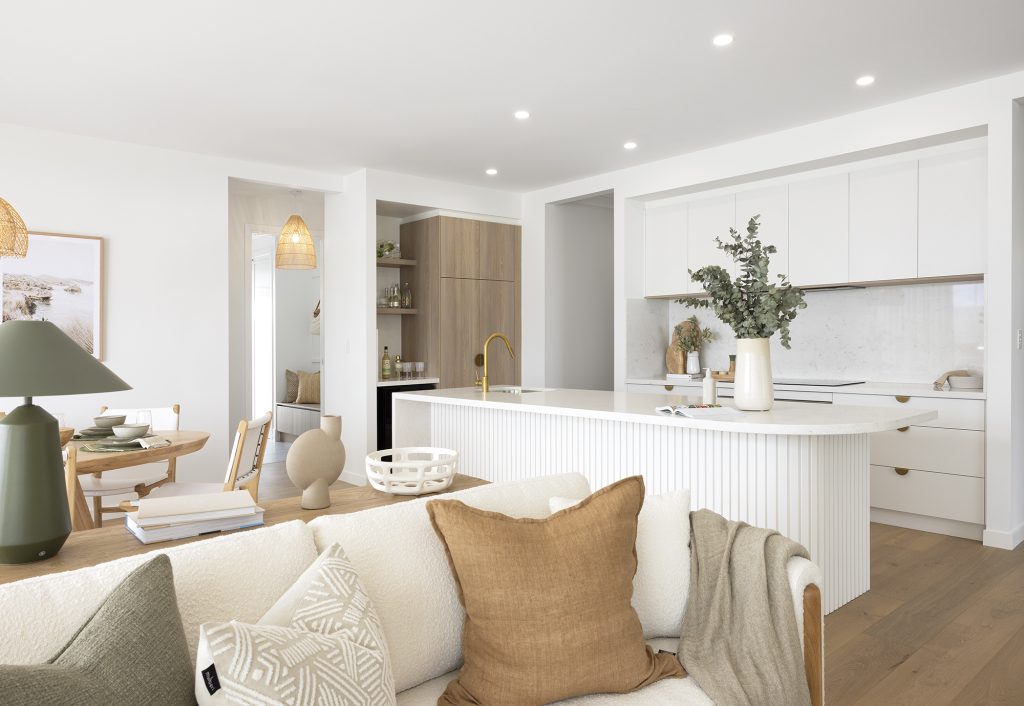
What a Knockdown Rebuild Actually Involves
A knockdown rebuild involves demolishing the existing home and building a new home on the same block of land.
For homeowners who are happy with their location but no longer feel their existing home suits their needs, this can provide an opportunity to create a new home without giving up the suburb, street or community they already know.
Unlike a renovation, which works within the limitations of an existing structure, a knockdown rebuild starts with a clean slate. This gives greater flexibility to consider the home’s layout, orientation, functionality, energy efficiency and future needs from the beginning of the design process.
At Fiteni, the process also considers the characteristics of the block itself, including factors such as site conditions, slope, setbacks, orientation and how the home will work within the property. This helps ensure the design is suited not only to the household, but also to the site it will be built on.
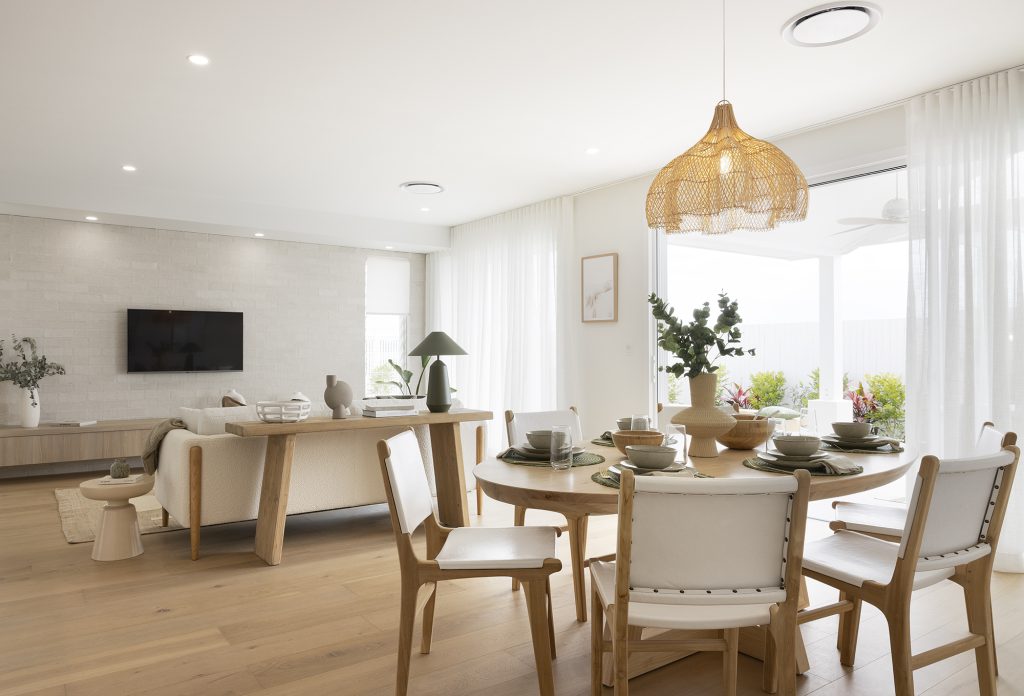
Renovation: Where It Works and Where It Falls Short
Renovation can be a practical option when the existing home is structurally sound and the changes required are relatively contained. Updating a kitchen, adding an ensuite or improving a living area may allow homeowners to refresh the property without starting again.
The decision becomes more complex when the renovation involves significant structural changes or major alterations to the existing layout. In older homes, unforeseen conditions can sometimes emerge once work begins, which may affect both the scope and cost of the project.
Renovations can also be influenced by the limitations of the existing structure, including load-bearing walls, existing room configurations, floor levels and the position of the home on the block. In these situations, the final design may need to work around what is already there rather than being planned entirely around the household’s current and future needs.
For homeowners considering substantial changes, it is worth comparing the overall cost, design flexibility and long-term outcome of renovating against the option of a knockdown rebuild before deciding which path is the better fit.
Knockdown Rebuild vs Renovation: Comparing the Two Paths Directly
When comparing a renovation with a knockdown rebuild, one of the biggest differences is the amount of flexibility each option provides.
A renovation works with the existing home, which means the design may need to accommodate the current structure, layout and position of the property on the block. This can still deliver an excellent result, particularly when the changes required are relatively contained.
A knockdown rebuild starts from the beginning, allowing the new home to be planned around the household’s lifestyle, priorities and future needs. This can provide greater freedom when considering layout, orientation, energy efficiency, functionality and how different areas of the home connect.
Cost is another important consideration. Renovation budgets can sometimes change if unforeseen conditions are discovered once work begins. With a new build, the scope of the home can generally be established more clearly before construction starts.
At Fiteni, transparency around pricing is an important part of the building process, helping customers understand the cost of their new home before they commit.
Ultimately, neither option is automatically right or wrong. The better choice depends on the existing home, the block, the scale of the changes required and the outcome the homeowner wants to achieve.
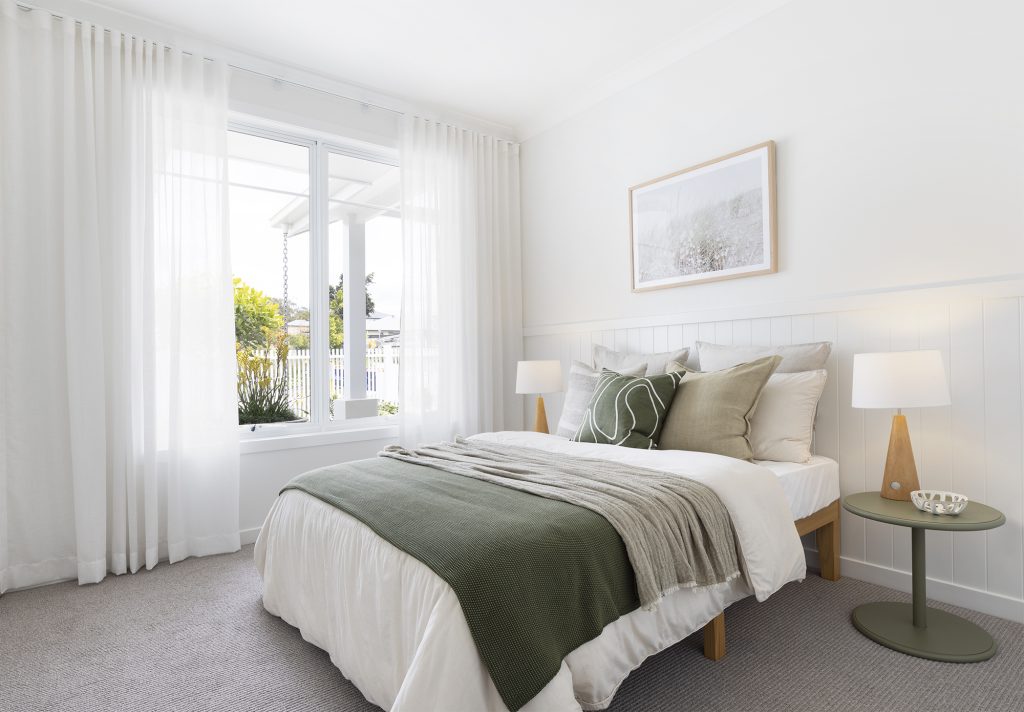
Is Your Block Suitable for a Knockdown Rebuild?
The characteristics of the block can play an important role in determining whether a knockdown rebuild is the right option and how the new home should be designed.
Factors such as the slope of the land, soil conditions, setbacks, orientation, access and the position of existing site features can all influence what is possible. Rather than trying to make a new layout work around the position and limitations of an existing home, a knockdown rebuild allows the design to respond more directly to the block itself.
For example, the orientation of the home can be considered from the beginning to make better use of natural light, airflow and outdoor living areas. The design can also take into account the shape and dimensions of the block, as well as any site-specific requirements that may influence the final layout.
At Fiteni, these considerations form part of the early planning and design process, helping ensure the new home is suited to both the way the household wants to live and the characteristics of the property.
What Should You Consider Before Renovating or Rebuilding?
Beyond cost and design, there are also practical considerations that can influence whether renovation or a knockdown rebuild is the better option.
Renovating may allow homeowners to retain more of the existing home, but larger projects can still involve significant disruption, particularly when construction affects kitchens, bathrooms or main living areas. Depending on the scope of work, temporary accommodation may still be required.
A knockdown rebuild requires the existing home to be demolished and the household to relocate during construction, so this needs to be factored into the overall planning and budget. However, it also provides the opportunity to create the new home as a complete project rather than working progressively around an existing structure.
It is also important to consider how long the household plans to remain in the property, whether the existing layout can realistically meet future needs, and whether the cost of significant renovation will deliver the outcome being sought.
Taking the time to weigh these practical factors alongside the condition of the existing home and the characteristics of the block can help make the decision clearer.
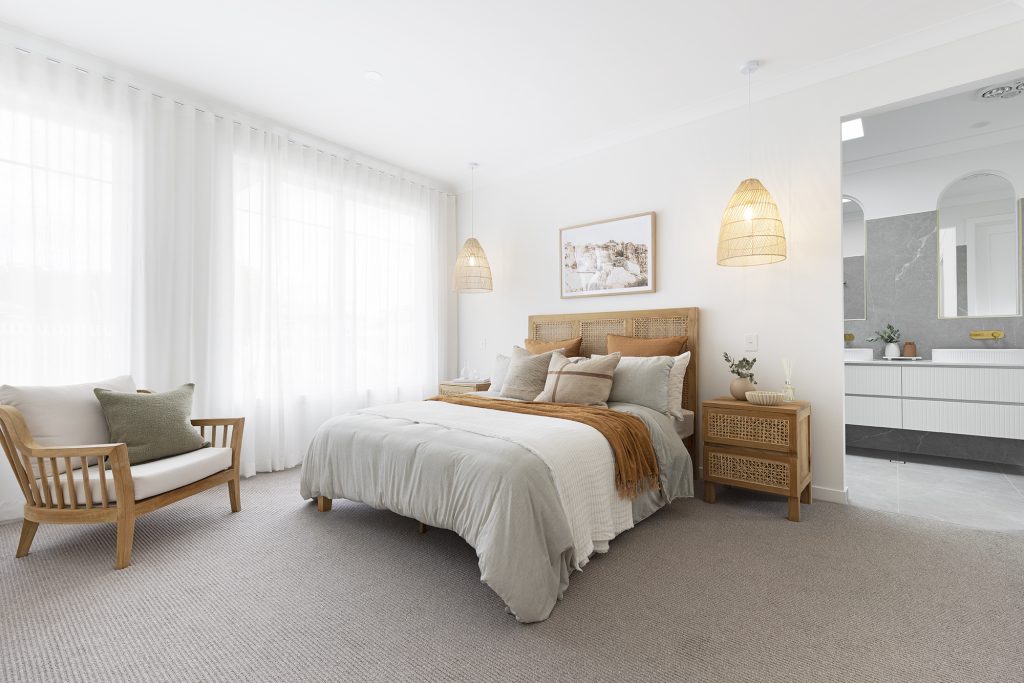
Making the Right Choice for Your Property
There is no single answer that will suit every homeowner. The right decision depends on the condition of the existing home, the characteristics of the block, the extent of the changes required and what the household wants to achieve from the property.
For some homeowners, renovating may be the most practical way to improve an otherwise suitable home. For others, particularly where substantial changes are needed, a knockdown rebuild can provide greater flexibility and the opportunity to create a new home designed around current and future needs.
At Fiteni, the process starts with understanding the homeowner’s goals and the property itself. From there, the team can help explore suitable home designs, site considerations and the knockdown rebuild process, including planning, demolition and construction.
Fiteni offers a range of home designs that can be adapted to suit different lifestyles and blocks, as well as more personalised design solutions where required. This gives homeowners the flexibility to create a home that is better suited to the way they want to live.
Ready to Explore Your Options?
Choosing between renovation and a knockdown rebuild is a significant decision, and the right path will depend on the existing home, the block and what you want to achieve from the property.
If the current home no longer suits your lifestyle, layout or future needs, a knockdown rebuild can provide the opportunity to stay in the location you already know while creating a new home designed around the way you want to live.
With more than 50 years of building experience, Fiteni can guide homeowners through the knockdown rebuild process, from early planning and design considerations through to construction and handover.
If you are considering whether a knockdown rebuild could be right for your property, contact the Fiteni team to discuss your options and what may be possible on your block.
Frequently Asked Questions
Is a knockdown rebuild always more expensive than renovating?
Not necessarily. The cost of either option will depend on the condition of the existing home, the extent of the work required and the characteristics of the block. Smaller renovations may be more cost-effective, while larger structural renovations can involve additional complexity and unforeseen costs.
A knockdown rebuild allows the scope of the new home to be established from the beginning. At Fiteni, transparent pricing and a fixed-price guarantee are an important part of the building process, helping customers understand the cost of their new home before they commit.
How long does a knockdown rebuild typically take?
The timeframe for a knockdown rebuild can vary depending on the property, design, approvals, demolition, site conditions and construction requirements.
Fiteni works with customers throughout the process and provides clear guidance around the stages and expected timing of their individual project.
Can you knock down and rebuild a home with heritage or character restrictions?
Some properties may be affected by planning requirements, overlays or other restrictions that influence whether an existing home can be demolished or what can be built in its place.
These requirements vary between properties and locations, so they should be investigated as part of the early planning process before proceeding with a knockdown rebuild.
What happens to existing landscaping, pools or retaining walls during a knockdown rebuild?
Existing features such as pools, landscaping, trees and retaining structures need to be considered as part of the site planning process. Whether they can remain will depend on their location, condition, the proposed home design and the requirements of demolition and construction.
These factors should be assessed for the individual property rather than assuming existing features can automatically be retained.
How do I know whether my block is suitable for a knockdown rebuild?
The suitability of a block depends on a range of factors, including its size and shape, slope, soil conditions, orientation, setbacks, access and any planning requirements that may apply.
Fiteni considers the characteristics of the block during the early planning and design process to help determine what type of home may be suitable for the property and the homeowner’s needs.
With more than 50 years of building experience, Fiteni can guide homeowners through the knockdown rebuild process, from early planning and design considerations through to construction and handover.